Our Blog

Diet Soda vs. Regular Soda: Which is better for teeth?

November 7th, 2018

When most patients ask Dr. Joel Martinez, Dr. Christopher Martinez, and Dr. Vanessa Martinez this question, they're thinking strictly about sugar content — cut out the bacteria-feeding sugar that's present in regular soda by opting for a diet soda and it will be better for your teeth. That seems logical, right? Well, there's a bit more to it than that. Let's take a closer look at how any kind of soda can affect your dental health.

Diet Soda – Why it can also lead to tooth decay

The main culprit in these drinks that leads to decay is the acid content. Diet sodas and other sugar-free drinks are usually highly acidic, which weakens the enamel on your teeth and makes them more susceptible to cavities and dental erosion. The level of phosphoric acid, citric acid, and/or tartaric acid is usually high in sugar-free drinks so it's best to avoid them.

Some patients also enjoy drinking orange juice or other citrus juices. These drinks are high in citric acid and have the same effect on the enamel of your teeth.

So what about regular soda?

We know the acidity of diet sodas and sugar-free drinks contributes to tooth decay, so what about regular soda? Like we alluded to earlier, regular soda is high in sugar — a 12 ounce can contains roughly ten teaspoons of sugar — and sugar feeds the decay-causing bacteria in the mouth. This also includes sports drinks and energy drinks, which are highly acidic and loaded with sugar too. So these drinks are a double-whammy of sugar and acidity your teeth and body simply don't need.

The problems caused by both diet and regular soda is exacerbated when you sip on them throughout the day. If you drink it all in one sitting, you won't be washing sugar and/or acids over your teeth all day long and your saliva will have a chance to neutralize the pH in your mouth.

The best beverages to drink and how to drink them

Drinking beverages that are lower in acid is a good step to take to keep your enamel strong. According to a study conducted by Matthew M. Rodgers and J. Anthony von Fraunhofer at the University of Michigan, your best bets are plain water, black tea or coffee, and if you opt for a soda, root beer. These drinks dissolved the least amount of enamel when measured 14 days after consumption of the beverage.

If you still choose to drink soda, diet soda, sugar-free drinks, or juices here are some other tips to lessen tooth decay:

  • Drink your soda or acidic beverages through a straw to minimize contact with teeth
  • Rinse with water immediately after consumption of the beverage
  • Avoid brushing your teeth between 30 minutes to an hour after drinking the beverage as this has been shown to spread the acids before your saliva can bring your mouth back to a neutral pH
  • Avoid drinks that have acids listed on the ingredients label

Still have questions about soda, sugar, and acid? Give our McAllen office a call and we’d be happy to help!

A Fun Halloween with Braces

October 31st, 2018

Having teeth encased in braces can be discouraging during Halloween. If you or your child has braces, there are certain candies to avoid this holiday season—and in general—while you have braces. Candy can be tempting, especially for children.

But don’t worry; other sweet treat options can readily take their place. Take a look at the American Association of Orthodontists’ tips on how to keep your braces safe.

Treats to avoid because they can cause damage to your braces include:

  • Hard candies
  • Chewy candies
  • Nuts
  • Caramel
  • Licorice
  • Jelly beans
  • Taffy
  • Bubblegum
  • Hard pretzels
  • Popcorn

These goodies should be avoided because they have the potential to bend or break your braces. Broken brackets and loose wires can waste time and money.

Switch out hard, chewy, and sticky candies for these options in the mean time:

  • Soft chocolate
  • Peanut butter cups
  • Gelatin treats
  • Ice cream
  • Smoothies
  • Root beer floats
  • Apple cider

Encouraging your child to stay with alternative, braces-friendly treats may prevent her from trying to eat candies that could break or damage braces. Halloween can still be fun, especially if your youngster (or you) don’t have to visit our McAllen office get braces fixed.

Make sure to remind your child to avoid harmful candies, and encourage him to exchange treats with friends to make it more fun. Only passing out candies that children can eat safely, such as soft chocolates, can make them feel included.

Dr. Joel Martinez, Dr. Christopher Martinez, and Dr. Vanessa Martinez and our team hope you enjoy your Halloween season, regardless of whether you are wearing braces.

My mouth is dry. What can I do?

October 24th, 2018

Nobody likes a dry mouth. It is an uncomfortable and sometimes oddly unexplainable sensation that most people like to avoid. It is not a condition that automatically sends you into a panic about your health, however, a dry mouth can be a bother and something you certainly want to change if possible. So, if you find yourself in the unpleasant position of having a dry mouth, here is what you can do.

Chew Sugar-free Gum: Chewing sugar-free gum will stimulate saliva in your mouth. The chewing motion of your jaw and teeth should take care of at least some of your dry mouth problem.

Suck on Sugar-free Candy: Similarly to chewing sugar free gum, if you suck on sugar free candy it should create more saliva in your mouth and moisturize it in the process.

Cut out the Caffeine:Caffeine can contribute to a dry mouth so by limiting, or eliminating your intake all together, you may find that your dry mouth is no more.

Stop Using Tobacco Products: Tobacco is another cause of dry mouth. Whether it is smokeless tobacco products or cigarettes, if you stop using them your dry mouth will likely improve. And not to forget, these products are exceedingly bad for your oral health to begin with, so you will be doing your mouth a favor even more so.

Drink Lots of Water: It may seem obvious, but drinking lots of water will likely improve your dry mouth. This is because dry mouth is usually a sign of dehydration, so plenty of fluids will surely help.

Dry mouth can be unpleasant, but it is often easily solved by either drinking more water, or trying one of the previously mentioned techniques. If the problem still persists you can always visit our McAllen office to see Dr. Joel Martinez, Dr. Christopher Martinez, and Dr. Vanessa Martinez. More often than not, doing one of the above will leave your mouth more moisturized than it was previously, and hopefully it will be long-lasting as well.

Tips for Handling and Avoiding Orthodontic Emergencies

October 17th, 2018

The best way to avoid orthodontic emergencies is to know how to take care of your braces properly throughout your entire treatment. However, emergencies are … well, emergencies, and sometimes no matter how cautious you are or how well you take care of your braces, the wires loosen, the bands pop, or you experience orthodontic discomfort.

Common orthodontic emergencies include broken braces, poking wires, lost or broken retainers, mouth sores, and mouth injuries sustained playing sports, which often happens when you don’t wear a mouthguard to protect your teeth and appliance.

Food

It’s important to avoid foods that can damage your braces. Most people wear braces for about two years. All chewy, sticky, crunchy, and hard foods should be avoided during that time. While this may seem like a long time to go without popcorn or bubble gum, hard foods can break the brackets of your braces and sticky foods can bend the wires. If you have a loose wire, don’t try to fix it yourself. Call Joel Martinez, DDS. In the meantime, if a wire is poking into your cheek or lip and causing irritation, put wax or a wet cotton ball over it to dull the sharp edge.

Pain and Discomfort

Some discomfort is a normal part of orthodontic treatment, especially in the hours after the braces are placed on your teeth or after a recent tightening or adjustment. However, if the pain doesn’t subside in three to five days, it’s a good idea to schedule an appointment at Joel Martinez, DDS. Until then, try dissolving a teaspoon of salt in an eight-ounce glass of water and gargling with the solution. Over-the-counter pain medication will relieve discomfort, too.

Playing Sports

Just because you wear braces doesn’t mean you can’t play sports. You just need to take some extra precautions. Sports-related injuries to the mouth and jaw are common. The best way to protect your mouth and your appliance is to wear a mouthguard. There are several different types of mouthguards available, so be sure to ask Dr. Joel Martinez, Dr. Christopher Martinez, and Dr. Vanessa Martinez what’s best for you.

Brushing and Flossing

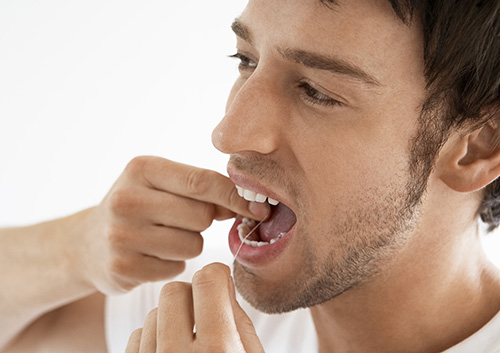
In order to keep your braces in good condition and avoid orthodontic emergencies, it’s important to brush and floss thoroughly after every meal. It’s easy for small particles of food to get trapped in your braces, and if the food isn’t removed, it gets wedged between the teeth and gums and causes plaque.

Need more tips on how to avoid orthodontic emergencies? Just ask any member of our McAllen team.

Home About Us For New Patients Orthodontic Treatments Wearing Braces About Orthodontics Contact Us Site Map