Our Blog

Orthodontic Treatment—The Sequel

April 17th, 2024

Some experiences are great, and we look forward to enjoying them again and again. Others have wonderful outcomes, but you feel no need for a sequel. If you’re wondering whether you need to revisit orthodontic treatment, you’re probably in this second group.

After all, you put in your time as a teenager. All those days in bands and braces, all the adjustments, all that cleaning with little tiny tools in little tiny places. That was a lot of work, and you reaped the rewards of your conscientious orthodontic habits with beautifully aligned teeth and a healthy, comfortable bite.

But now you’ve started to notice that your teeth aren’t quite as beautifully aligned, or your bite’s not quite as comfortable. So, what’s happened? Let’s look at some possibilities, and whether a return to the orthodontist’s office is in order.

  • You’ve Lost a Tooth

If you’ve lost a tooth because of injury or decay, that gap is an open invitation for surrounding teeth to move in to fill the void. Whenever you lose a tooth, consider an implant. Implants function, look, and maintain healthy spacing just like natural teeth.

One thing implants can’t do? Move like our own teeth will during orthodontic treatment. Your natural teeth can move because they are held in place within the bone by flexible periodontal ligaments. Implants, on the other hand, are anchored directly to the bone for stability.

If you’re considering new or further orthodontic work and want to replace a lost tooth with an implant, it’s a good idea to talk to Dr. Joel Martinez, Dr. Christopher Martinez, and Dr. Vanessa Martinez to discover the best timing and scheduling for your procedures.

  • You’ve Gained a Tooth

Problems with your alignment can also arise if you add a tooth or teeth. If you’re in your late teens or early twenties, wisdom teeth could be in your near future. And a new tooth can throw off the spacing and alignment of your existing teeth.

Talk to Dr. Joel Martinez, Dr. Christopher Martinez, and Dr. Vanessa Martinez about your options if your wisdom teeth are about to make an appearance, and if it looks like your tooth and bite alignment might be affected.

  • You’re Getting Older

Our teeth naturally tend to shift as we age. Teeth move forward, causing crowded or crooked front teeth—especially on the lower jaw. There’s even a medical term for this phenomenon: mesial drift. While we don’t know exactly why this drifting occurs, we can treat it.

Adults make up a large—and growing—segment of orthodontic patients. If your teeth have lost their ideal alignment over time, a visit to our McAllen office is a great way to bring your youthful smile back. And you’ll probably find your treatment much shorter and more comfortable than it was decades earlier!

  • You Haven’t Been Wearing Your Retainer

Remember that word “conscientious” in the second paragraph? You need to wear your retainer conscientiously, for as often and for as long as recommended by Dr. Joel Martinez, Dr. Christopher Martinez, and Dr. Vanessa Martinez.

If you’ve been ignoring a damaged retainer, or you keep forgetting to look for your lost retainer, or you have a perfect, undamaged retainer sitting unworn on your dresser, your teeth can start to shift out of their hard-won alignment within a short time.

Does this mean it’s back to months of bands and adjustments and appointments? Maybe not! See us as soon as you notice any changes in your teeth or bite. When caught early, shifting teeth can be treated much more easily.

What can we do to help you regain your best smile? A lot!

  • Treatment Planning

When you need to accommodate implants, wisdom teeth, or other dental work which could affect your tooth alignment, Dr. Joel Martinez, Dr. Christopher Martinez, and Dr. Vanessa Martinez can work with your dentist to make sure your alignment isn’t disturbed in the process. They can also map out a treatment schedule which coordinates your other procedures with any orthodontic treatment.

  • Retainer Evaluation/Adjustment

Your retainer is probably a passive retainer, meaning it keeps your teeth in place instead of moving them. If you notice your alignment shifting, or if your retainer is uncomfortable when you try to put it on after a lapse in nightly wear, ask us about a replacement.

  • Active Retainers

An active retainer helps move teeth into alignment rather than simply keeping them in place. A new active retainer might be just what you need to correct a slight shift.

  • Aligners or Braces

If you have some serious shifting going on, we might recommend a second round of treatment with clear aligners or braces. But there’s good news here, as well! Treatment to correct an orthodontic relapse usually takes less time than it did originally, and treatment options are more comfortable and less noticeable than ever before.

Talk to Dr. Joel Martinez, Dr. Christopher Martinez, and Dr. Vanessa Martinez about an orthodontic sequel if you have any concerns about changes in your bite or alignment. You might need only a simple retainer adjustment or a short time in clear aligners or traditional braces to make your smile its best and healthiest once again. And this time, remember to wear your retainer to make sure there’s no need for Orthodontics—Part III!

Electric Toothbrush: How do you choose?

April 10th, 2024

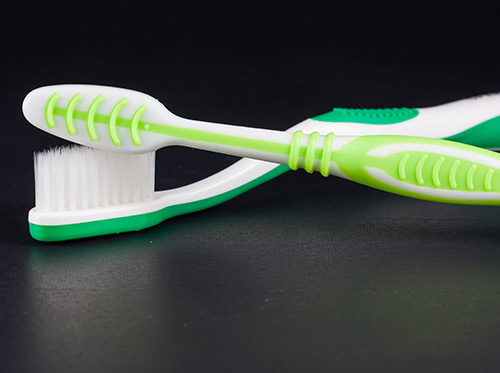
Since the introduction of the power toothbrush in the 1960s, this tool has undergone many technological advances, from design and bristle motions to rotation oscillation and sonic vibration.

What is rotation oscillation? That’s when the head of the toothbrush alternately rotates in one direction and then the other. Power toothbrushes can deliver up to 50,000 strokes per minute, which is much more effective than the average 300 strokes per minute with a manual toothbrush.

A smaller brush head is available for hard-to-reach areas, which is a good alternative for small mouths. The brush heads are replaceable and should be changed every three to six months. Each family member should have his or her own brush head while sharing the base motor. What a great deal! Check the handle size. A large handle is better for members of the household with arthritis, children, or family with other physical disabilities.

A rechargeable toothbrush is ideal. It should deliver enough power on a full charge for one week of brushing.

We recommend you brush for a minimum of two minutes. Some electric toothbrushes include a signal you can hear, such as a beep every 30 seconds, to indicate it's time to switch to a different area of the mouth. Others sound an alert after the full two minutes has elapsed.

Will an electric toothbrush harm the teeth or gums? Studies indicate that people tend to apply more damaging pressure to their teeth and gums during manual brushing than when they use an electric toothbrush. If you experience tooth sensitivity, choose a model with pressure sensors that stop the toothbrush any time you press too hard.

Who would benefit from an electric toothbrush? Everyone! Consumers with a physical disability may have specific needs that power toothbrushes can address. Children also tend to maintain better oral health hygiene when they use an automatic toothbrush. Plus, many of them find it fun to brush!

Automatic toothbrushes really do remove debris better than the old-fashioned way. You may have heard the term “biofilm.” Better known as plaque when it occurs in the mouth, biofilm is the debris and bacteria that cause infections to your teeth. It regenerates quickly, so healthy habits are the best defense for a healthier you! With a healthier mouth, you face a lower risk of gum disease and other conditions like heart disease: mouth health has been linked to heart health.

When you're ready to make your decisions, be a wise comparison shopper. Consult with Dr. Joel Martinez, Dr. Christopher Martinez, and Dr. Vanessa Martinez at Joel Martinez, DDS to decide what is best for you!

Snowball Effect

April 3rd, 2024

Winter and its snowball fights are behind us, true, but there might be another kind of snowball heading your way. When you neglect the small steps involved in your everyday orthodontic routines, little problems can start to snowball into bigger ones, affecting your dental health and delaying your orthodontic progress.

Here are three areas where letting the small steps in your routine slide can have consequences:

Dental Hygiene

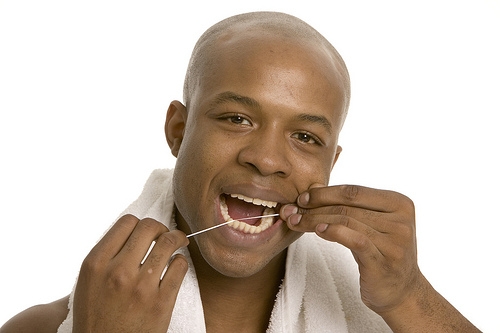
It can be harder to get your teeth their cleanest while you’re wearing braces. After all, there are wires to get behind and brackets to brush around, and you still need to get that floss in between your teeth. But neglecting your dental hygiene can have big consequences:

  • Demineralization

The bacteria in plaque create acids that strip the minerals from tooth enamel. This process is called demineralization. Wherever plaque is allowed to build up, you’ll start to see white spots in the enamel. This discoloration is a sign that minerals are missing, and is often found around brackets, where it’s harder to brush. White spots can be treated cosmetically, but better to avoid them as much as possible, because eventually they can become . . .

  • Cavities

As demineralization continues, the enamel becomes weaker and weaker, until a hole forms in the tooth—a cavity. Besides damaging your tooth, a cavity can put you behind your orthodontic schedule if you need parts of your braces removed for treatment.

  • Gum Disease

When plaque builds up around the gums, gum tissue becomes inflamed and irritated—this is gingivitis, or early-stage gum disease. Symptoms often include puffy gums, redness, bleeding, and bad breath. Mild gum disease becomes more serious over time, so treat gingivitis early—or, even better, prevent gum disease with careful brushing and flossing.

Looking After Your Appliances

  • Follow Care Instructions

Orthodontic appliances need love, too! Any instructions you get for their care are for a good reason. Brackets can become loose when you bite down on chewy foods. Wires can break when you eat hard candy. Aligners can warp if you leave them on a hot dashboard. If you follow instructions carefully, you won’t need to postpone your progress while you wait for repairs.

  • Use Your Protective Case

If you wear aligners, or a removable appliance, or a retainer, don’t forget to protect these items when you’re not wearing them. This means placing them in their cases, not wrapped in a napkin on your lunch tray, or in the bottom of your gym bag, or anywhere your dog can reach them!

  • Be Proactive If Accidents Happen

Unfortunately, accidents do happen, and loose brackets, broken wires, lost ligatures, and cracked or warped aligners can interrupt orthodontic progress and cause you pain and discomfort. Give our McAllen orthodontic office a call to see if minor damage to an appliance can be handled at home, or whether you should be seen before your next regular appointment for repairs.

Following Your Orthodontic Plan

There’s more to following your orthodontic schedule than arriving on time for appointments. Depending on your treatment, you might be responsible for keeping track of the time you spend wearing:

  • Elastics

Elastic bands can be used to help align your upper and lower jaws. If you don’t wear your bands as directed, you won’t make progress as quickly as you could. And remember to replace your elastics as often as recommended, because after hours of s-t-r-e-t-c-h-i-n-g they lose their effectiveness.

  • Aligners

Most aligners are worn for around 22 hours each day. If you don’t follow your orthodontist’s instructions and wear your aligners for the recommend hours each day, your teeth won’t be in the proper alignment when your next set of trays is ready to begin work.

  • Retainers

If you have a retainer and don’t wear it, your teeth will start to shift position. Skip wearing your retainer long enough, and you might need a return to your braces or aligners to repair any new misalignment.

Don’t ignore what seem like little dental and orthodontic responsibilities. Keep up with daily cleaning and brushing, take care of your appliances, and follow your orthodontic plan, and you’ll finish your treatment with a beautiful and healthy smile—right on schedule.

Famous Teeth throughout History

March 27th, 2024

We probably all remember sitting through history lessons during our schooling years. Revolutionary war heroes, English royals, and pop-culture icons filled the pages of our textbooks. Although you may recall a detail or two about their historical significance, how much do you know about their teeth?

Picture England in the mid 1500s. People wore frilly clothes as they hustled along the street, and talked about the latest import from the Indies: sugar. Wealthy Brits did not hesitate to indulge their sweet tooth, and it was no different for the monarch, Queen Elizabeth I.

The queen was especially fond of sweets, but not so fond of the dentist. Her teeth rotted; they turned black and gave off a foul odor. Eventually, Elizabeth lost so many teeth that people found it difficult to understand her when she spoke.

Flash forward to the Revolutionary-era colonies in the 1770s and we encounter the famous dentures of George Washington. They were not made of wood, but rather a combination of ivory and human teeth, some of which were his own pulled teeth and some he purchased from slaves.

Washington did not practice proper dental hygiene throughout his life. He began to suffer dental problems as early as age 24, when he had his first tooth pulled. By the time he was inaugurated in as the first president in 1789, he had only one tooth remaining in his mouth, which was pulled in 1796.

Washington’s dentures were made too wide and never quite fit his mouth properly. He complained that they were painful to wear and caused his jaw to protrude visibly outward.

If you’ve heard of Doc Holliday, you know him as the gun-toting, mustached criminal that ran the Wild West in the late 1800s. You might be surprised to learn that John Henry “Doc” Holliday actually had a career as a dentist.

He graduated from dental school in 1872 and began to practice in Griffin, Georgia. Holliday was later diagnosed with tuberculosis and his violent coughing fits during exams drove patients away. Jobless, he packed his bags for Texas and spent the rest of his days running from town to town as a criminal.

The Beatles brought pop music and British culture to their fans, as well as … teeth? In the mid-1960s, John Lennon had a molar removed that he presented as a gift to his housekeeper, Dorothy. Dorothy’s daughter was a huge fan of the Beatles and he thought she might like to a keepsake. Her family held onto the tooth until 2011, when they auctioned it off to a Canadian dentist for $31,000.

These historical figures had very different experiences with their teeth, but it’s safe to say a bit of extra brushing and flossing could’ve saved them a lot of trouble. Whether you’re queen, president, or an average citizen, it’s up to you to practice good dental hygiene!

Ask a member of our team at our McAllen office if you have any questions about how to keep your teeth in top shape!

Home About Us For New Patients Orthodontic Treatments Wearing Braces About Orthodontics Contact Us Site Map