Our Blog

Looking Back at the Old Days of Braces

March 1st, 2017

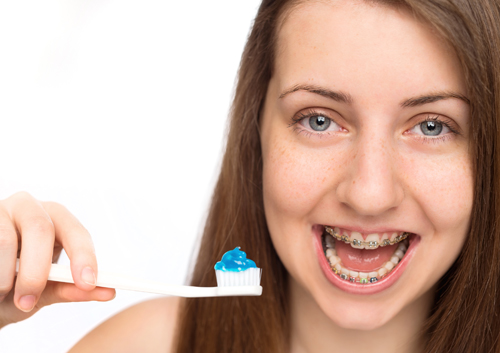
Braces can be painful, but if you are a teen who loves being social, the worst part about them can be their look. They show up in your photos, and you will not be able to take braces-free photos for several months, or even years. The time will pass, though, and your teeth will be the better for it. In the meantime, consider the other people who have survived braces.

Plenty of People Get Braces

There are many reasons for getting braces:

  • Correct an overbite or underbite
  • Straighten teeth
  • Fix poorly-spaced teeth

With so many possible ways to get braces, it’s no surprise that they are so common.

Find Out Who Had Braces

The long lists of celebrities who had braces as teenagers or even adults can give you the comfort of knowing you are in good company. Even better, these lists provide visible proof that there is life on the other side of braces. Actors and actresses on the Cosby Show, Scrubs, and Ugly Betty, as well as tennis star Martina Hingis and Miss America 1975, Shirley Cothran, had braces. Ask your parents. If they didn’t have braces, there is a good chance that some of their siblings did.

Benefits of Braces

Wearing braces can make your life a lot better in the future. Your teeth will be more attractive, and your smile will shine through in photos of you. Straight teeth are not just about looks, though. They can prevent a variety of health problems, such as caries, gum disease, speech impairments, and trouble chewing. Be patient, and the benefits of braces will come.

Worst Candy for Braces

February 22nd, 2017

Most kids love candy; actually, most people in general love candy. So when it comes time for you to get braces there can often be a natural conflict between candy consumption and maintaining the integrity of your braces. For that reason, Dr. Joel Martinez, Dr. Christopher Martinez, and Dr. Vanessa Martinez and our team know that it’s good to know which types of candy are not good for your braces. To better illustrate, here are some candies that you will want to avoid.

Caramel

Caramel is a sweet and often exceedingly sticky and chewy type of candy that just does not mix well with braces. Caramel can cause a mess in regular teeth, but teeth with braces are a whole other story. The sticky candy can very easily get lodged and stuck between the teeth, gums, and braces, making for a difficult task of cleaning your mouth. And if your teeth don't get cleaned properly, cavities can easily form. If you get cavities while you have braces, that could mean additional appointments at our McAllen office and an extended treatment time.

Salt Water Taffy

Another sticky and chewy candy to avoid with braces is salt water taffy. For many of the same reasons as caramel, it is best to avoid taffy until you get your braces removed. It may be a long wait, but when it comes to the health of your teeth, and the purpose of your braces, it really is best to avoid taffy.

Popcorn

Popcorn of any kind is best to avoid when you have braces. The kernels can easily do damage to the braces as you chomp on them, and they can get stuck between your teeth and the braces causing discomfort and further complications. In this sense it does not matter which flavor of candy popcorn you eat, all popcorn is bad news until you get your braces off.

Generally speaking, any candy that is chewy, crunchy, or sticky is not a good idea to eat with braces in your mouth. These types of candy will make life wearing braces much more difficult than if you were to just wait until your braces come off. With a little patience you will be back to eating all your favorite candy again, and with straightened teeth at that.

Top Ways to Ensure You and Your Braces Have a Good Relationship

February 19th, 2017

You and your braces will become good friends over the coming months or years, so it’s important to get your relationship off to a good start. Consider the following recommendations to prevent rocky times ahead:

  1. Floss, floss, floss. Yes, it’s a pain to floss around your braces, but it's the best way to prevent gum disease and other oral health problems. Ask Dr. Joel Martinez, Dr. Christopher Martinez, and Dr. Vanessa Martinez and our staff for floss threaders to make the chore easier. Just a few minutes per day will ensure that you don’t face significant dental health issues when the braces come off.
  2. Avoid sticky or hard foods. It’s tough to forgo toffee, caramel, gum, and other favorite sticky treats, but your braces will thank you. Sticky or hard foods can break a bracket or wire, so it’s best to avoid them altogether.
  3. Chew with your back teeth. If you’re used to taking large bites with your front teeth, it might be time to switch your eating habits. Taking a large bite of food with your front teeth can leave your braces vulnerable to damage. Instead, cut large foods into pieces and use your back teeth to chew. This is especially important with corn on the cob, which should always be cut from the cob.
  4. Wear rubber bands and headgear. Rubber bands, headgear, and other orthodontic appliances may seem annoying, but failing to comply with wearing them can increase the length of your treatment by months. Wear them now to avoid problems in the future.

Post-Braces Care: Wear your retainer!

February 15th, 2017

Many patients underestimate the importance of wearing their retainers after their braces come off, but it is one of the most critical post care practices to keep your teeth in alignment. Why spend all that time, energy, and money to straighten your teeth when you don't plan to keep them straightened after treatment?

What is a retainer?

As the name implies, a retainer keeps teeth from moving back to the positions in which they started before treatment was administered; they "retain" your smile and bite. There are many different types of retainers—some are removable and some are permanent. Some retainers are made of plastic and metal (known as Hawley retainers) and others are all plastic or all metal. Some retainers can even be bonded to the back of your teeth!

How long do I need to wear it?

If you've been given a removable retainer by Dr. Joel Martinez, Dr. Christopher Martinez, and Dr. Vanessa Martinez, you may be wondering how long you need to wear it. It takes time for the tissues and bones around your teeth to reorganize and set into place after braces treatment.

The amount of time you’ll need to wear your retainer depends on your unique situation, but typically, retainers should be worn at least as long as the time you spent in braces. You might need to wear them full-time for a while, and then transition to wearing them only at night. Dr. Joel Martinez, Dr. Christopher Martinez, and Dr. Vanessa Martinez will have a treatment plan especially for you, and if you stick to it, you'll always have a straight smile.

Nothing is forever (at least without retainers!)

Research has shown that there is no “permanent” position for your teeth to remain in. In fact, some studies say upward of 70% of patients will see a change to their bite and tooth alignment as they get older. This applies to people who have had orthodontic treatment and those who have not. Of course, some people's teeth never seem to shift—you can consider them the lucky ones, as most people's teeth do.

And this is precisely where retainers come in. The only way to ensure your teeth stay in alignment long-term is by wearing your retainers. If you have any questions about retainers or your treatment plan, please ask any member of our McAllen staff.

Home About Us For New Patients Orthodontic Treatments Wearing Braces About Orthodontics Contact Us Site Map