
Our Blog

More Adults Are Opting for Invisalign®

August 2nd, 2017
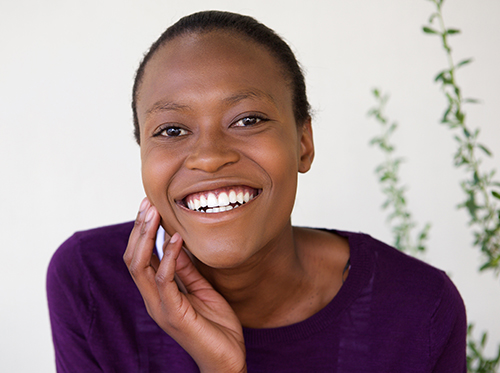
These days it's becoming more and more common to see adults at our McAllen office getting their teeth straightened with Invisalign clear aligners — that is, if you can see them! Treatment with Invisalign is effective and aesthetically pleasing for all ages, but adults have certainly taken to them.

For some it may be to overcome the stigma that "braces are just for kids," but for others it may be the displeasing appearance and discomfort of traditional braces. According to the American Association of Orthodontics, from 1994 to 2010 the number of adults 18 and older getting braces increased by 58 percent, from 680,000 to 1.1 million annually. Many of these adults opt for Invisalign because of how discreet they are and since they don't need to avoid any foods or make dietary changes like you do with traditional braces.

The benefits of getting your teeth into proper alignment are many, and so are the advantages of Invisalign. By following your individual course of Invisalign treatment, you can expect to enjoy the following benefits over traditional braces:

  • The total treatment time is more precise with Invisalign since your treatment is modeled by a computer, as compared to traditional braces where it is really just an estimate.
  • You'll need to make fewer trips to our McAllen office since you can change your trays on your own every few weeks or as prescribed.
  • There's less risk to the health of your tooth enamel since there is no need to place brackets on your teeth.
  • Invisalign aligners are clear and practically invisible, so most people won't even know you're wearing them!

If you're interested in Invisalign treatment, please let Dr. Joel Martinez, Dr. Christopher Martinez, and Dr. Vanessa Martinez know. We'd be happy to help you on your journey to a straighter, healthier smile!

Feeling Confident at Your Orthodontic Consultation

July 26th, 2017

How You Can Start Preparing Now

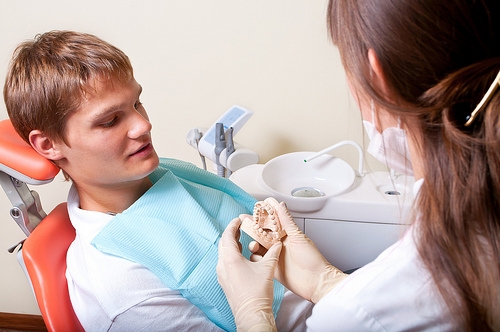
When you first start thinking about going to the orthodontist, it is normal to feel apprehensive. What will your orthodontic experience bring? Whether you have been advised by a dentist or chosen to seek out orthodontic care from Dr. Joel Martinez, Dr. Christopher Martinez, and Dr. Vanessa Martinez on your own, there are a few things you can do to prepare for your initial consultation at Joel Martinez, DDS.

One of the best ways to prepare for an orthodontic consultation is to understand your options. With so many choices available today, orthodontic care is a lot more versatile than in the past. You can start preparing now by seeking out and understanding those options. With a few specific things in mind, you can be totally confident and prepared for your consultation.

Questions to Ask During the Consultation

As you consider orthodontic care, it is likely that a few questions may naturally arise. Don’t be afraid to ask any questions you might have. Our orthodontic team is here to help. Here are just a few examples of questions you may want to ask at your consultation.

  • Is there an estimated length of time that I will likely require braces?
  • How much should I expect to pay for my treatment? What are the payment options?
  • Does getting braces hurt? Is there anything I can do to prevent or minimize pain?
  • Is it likely that I will be wearing extra appliances in addition to braces to correct my overbite or other problems?
  • Are there specific foods I will need to avoid when I get braces?
  • Will braces prevent me from playing my favorite sport or musical instrument?
  • How can I keep my teeth clean with braces?
  • How often will I be expected to come in for checkups and other appointments?

Once your consultation is over, you don’t have to feel like your options are exhausted. If questions arise after the consultation, don’t be afraid to ask. Our orthodontic team will be here to help throughout the entire process.

Confidence throughout the Process

With answers to your questions, and an orthodontic team on your side, you can be confident about any necessary orthodontic treatments. From the initial consultation to the day your braces come off, your orthodontic treatment at Joel Martinez, DDS can be a smooth and simple process. The moment you see that beautiful smile, you’ll know it was all worth it.

We love bringing nothing but the most amazing smiles to our patients!

Eating with Braces: Braces-friendly snack recipe

July 19th, 2017

At Joel Martinez, DDS, Dr. Joel Martinez, Dr. Christopher Martinez, and Dr. Vanessa Martinez and our staff know that eating with braces can be tricky. You want to avoid damaging the bands, brackets, and wires, since any damage can delay the progress of your treatment. After adjustments, your mouth may also feel sore, which will make eating more of a chore than a pleasure.

The good news is you do not have to avoid all of your favorite foods; there are ways you can still enjoy them. Try some of these ideas and recipes for great snacks that are friendly to your braces.

Fruits and Vegetables

You still need to eat fruits and vegetable for the healthy nutrients. The trick is to cut harder items into small pieces that you can chew easily with your back teeth. Canned fruits are also a great choice, but select fruits packed in water to avoid the heavy, sugary syrups. It’s a good idea to avoid excess sugar with braces, since sugar build-up around your braces can lead to plaque formation.

Single-serving packages are available to make your snack portable and convenient. Enjoy vegetables with a small amount of a healthy dip. Hummus or yogurt can be used for flavor without adding unnecessary fat or calories.

Banana and Honey Smoothie

Smoothies are a healthy treat, and you can create these drinks with your favorite ingredients. You can use a variety of yogurt types for your smoothie: regular, low or non-fat, and Greek are all great choices.  Here’s one of our favorite smoothie recipes:

  • 6 ounces of your choice of yogurt
  • 1 or 2 teaspoons of honey
  • 1 ripe banana
  • 6 ounces milk

Chop the banana into smaller pieces and put all your ingredients into a blender. Blend on low until everything is mixed and then blend on high for about 20 seconds to make your smoothie fluffy.

The great thing about this recipe is that you can substitute just about any small or cut-up fruit for the banana. Try blackberries, raspberries, or peaches for variety. Try to avoid fruits with small seeds; strawberries can leave bits stuck in your braces. You can even make a smoothie with peanut butter and jelly!

Please ask our team if you have any concerns regarding the foods you can safely eat while wearing braces.

Treatment Options for TMD

July 12th, 2017

Temporomandibular dysfunction (TMD) refers to a diverse range of disorders that relate to muscular function in the jaw and face — the temporomandibular joint (TMJ). That could mean difficulty opening your mouth, pain in the jaw or face, or any sort of problem with the jaw joint.

TMD can be difficult to diagnose because of the varied causes. Whatever the case, an accurate diagnosis from Dr. Joel Martinez, Dr. Christopher Martinez, and Dr. Vanessa Martinez helps make treatment as successful as possible.

Most often, jaw problems will resolve themselves within several weeks or months. Surgeries like arthrocentesis, arthroscopy, and open-joint surgery should be a last resort. More conservative and reversible treatments should come first and are in fact the most critical step in the treatment of TMD.

Less invasive treatments like acupuncture and splints can be helpful, but that will depend on your particular case. It’s worth your while to speak with Dr. Joel Martinez, Dr. Christopher Martinez, and Dr. Vanessa Martinez at our McAllen office to learn about solutions that could work for you.

A combination of treatments will most often produce the greatest relief for TMJ patients. It’s a good idea to avoid activities that overuse the jaws, such as chewing gum or clenching your jaws.

You can be proactive in finding relief for TMD by trying the following remedies at home:

  • Eat soft food: When you eat soft and/or blended food, your jaw gets an opportunity to rest. Avoid chewy and crunchy food, and food that requires you to open your mouth wide, like apples or corn on the cob.
  • Apply moist heat: A hot water bottle wrapped in a moist towel can help reduce symptoms.
  • Apply ice: Applying an ice pack wrapped in a cloth or towel for no longer than 15 minutes may also reduce pain and promote healing.
  • Do jaw exercises: A physical therapist can help identify the exercises that will work for you. Jaw exercises have been shown to be an effective treatment method that can be performed at home.
  • Relaxation: Actively try to relax the muscles of the face and lips, and let your teeth come apart. Many find meditation, yoga, and slow, deep breathing to be helpful for reducing stress and tension.
  • Avoid wide yawns: Keep your fist under your jaw when you feel a yawn coming on, to keep your jaw from opening too widely.

Home About Us For New Patients Orthodontic Treatments Wearing Braces About Orthodontics Contact Us Site Map